SUSTAINABLE DESIGN IS EXPENSIVE SUSTAINABLE DESIGN WON'T GET YOU THE JOB SUSTAINABLE DESIGN HAS BEEN GREENWASHED SUSTAINABLE DESIGN HAS EARNED ITS BAD NAME SUSTAINABLE DESIGN DOES NOT WORK AS YOU WERE TAUGHT SUSTAINABLE DESIGN ONLY WORKS WHEN THE PROBLEM HOLDS STILL SUSTAINABLE DESIGN HAS BEEN HIJACKED SUSTAINABLE DESIGN STOPS AT THE PRODUCT SUSTAINABLE DESIGN NEVER ASKS IF IT SHOULD EXIST AT ALL SUSTAINABLE DESIGN ARRIVES AFTER THE DECISION SUSTAINABLE DESIGN ALWAYS LOSES ON COST SUSTAINABLE DESIGN CAN BE GREENWASHED SUSTAINABLE DESIGN IS BLIND TO THE BIG PICTURE SUSTAINABLE DESIGN GETS TRAPPED IN A LOOP
Symbiotic Designleaves nothing in your work undesigned.
Every project has relations nobody was asked to design: the brief before you, the people upstream, the years after handover. That is where sustainability fails. Not in the material you chose, but in everything that was left to chance around it. Symbiotic Design puts those relations on your desk, and helps you design them.
Stop pretending sustainability, achieve it!
Choose your pathway...
Different strokes for different folks
Rather than standard courses on sustainability, we create customized learning experiences centered on the Symbiotic Design Framework. By adapting our approach to each discipline and utilizing state-of-the-art processes, we deliver teaching that is both immersive and highly practical.
The Framework goes beyond outdated sustainability paradigms, pushing your practice to meet the complex challenges of our time.
You know the brief was wrong the moment you opened it. The material was already chosen, the deadline already set, the word sustainable often already in the title. You did the best object you could inside it, and nobody asked you who would make the parts, who else would have to live with it, or where it would go when it broke.
With Symbiotic Design you work on all of that, and you can say why. You question the brief and rewrite it with the reasons on the table: who this version serves, who pays for it, what it costs later. You choose who you work with, and you can show what that choice changes. You decide what happens to the thing after it leaves your hands, and you can defend it. Where the job is routine you deliver it. Where it is not, you change what you can, look at what it did, and adjust.
Nothing your project touches is left for someone else to design, and nothing you design rests on your taste alone.
Rather than standard courses on sustainability, we create customized learning experiences centered on the Symbiotic Design Framework. By adapting our approach to each discipline and utilizing state-of-the-art processes, we deliver teaching that is both immersive and highly practical.
The Framework goes beyond outdated sustainability paradigms, pushing your practice to meet the complex challenges of our time.
You know the brief was wrong the moment you opened it. The material was already chosen, the deadline already set, the word sustainable often already in the title. You did the best object you could inside it, and nobody asked you who would make the parts, who else would have to live with it, or where it would go when it broke.
With Symbiotic Design you work on all of that, and you can say why. You question the brief and rewrite it with the reasons on the table: who this version serves, who pays for it, what it costs later. You choose who you work with, and you can show what that choice changes. You decide what happens to the thing after it leaves your hands, and you can defend it. Where the job is routine you deliver it. Where it is not, you change what you can, look at what it did, and adjust.
Nothing your project touches is left for someone else to design, and nothing you design rests on your taste alone.
You have watched the building be decided before you drew a line. The plot, the budget, the rules, the client's programme, the neighbours' objections, the standard specification, settled before you arrived, some of it by people who will never set foot in the finished building, and then handed to you to give it form. And you know the building will be altered by everyone who uses it for the next fifty years.
With Symbiotic Design you design that too, and you arrive with reasons, not preferences. You can show the client what the standard specification costs over the building's life, the planner what the rule does to the street, the neighbours what the site gives back. You work on the rules, the neighbours and the site as parts of the project, not obstacles around it. You build the parts that are settled to the drawing, and you keep working on the parts that are not, through the years after handover.
You design the building's whole life, not the day it opens, and you can argue every part of it.
You do not draw anything, so what you do is not called design. But the budget line you wrote decided what got built. The policy you drafted decided who it served. The tender you approved decided who got paid and who was left out. You have seen good projects fail on conditions nobody thought to design.
With Symbiotic Design you treat those decisions as design, because they are, and you can show what each one does before you sign it. You see who it reaches and who it costs, in your own field and with your own tools, and you change it where it counts most: in the goals you set and the rules you write. When someone asks why, you have the answer, not an opinion.
Once you can see what your decisions set in motion, you can design it, and you can prove it was the better choice.
Each course is taught under one Framework andlearned in three levels.
Whichever pathway you are in, it runs the same way. What changes as you go is the size of the problem you can take on. You begin with the fundamentals, the same for everyone. You move to the method, for the problems that hold still. You end with the whole Framework, for the ones that do not. At every level the Framework works the same way: it treats your project as a system, a web of relations between the people, the materials, the partners and the time it lives in, and it puts every one of those relations in your hands to design.
Fundamentals of the SDF
The same in every field. You learn what the Framework is made of, the relations it reads in any project, and what it asks of one, and you try it on a piece of work of your own. You leave knowing what is on your desk.
Tame Problems
Methodology, for normal problems.
The brief is clear, the end is known, the work is to do it well and to leave nothing around it undesigned. You take the method through a project in your own field, step by step, and you finish with a project you can defend.
Wicked Problems
Framework, for complex problems.
The brief changes as you work, every move alters the ground, and nobody can tell you when it is done. Here the systemic side of the Framework does the work: you map the relations, find where a small change moves the whole, intervene, watch what the system does, and correct. You finish able to work where the size of the problem used to stop you.
Presale
Presale
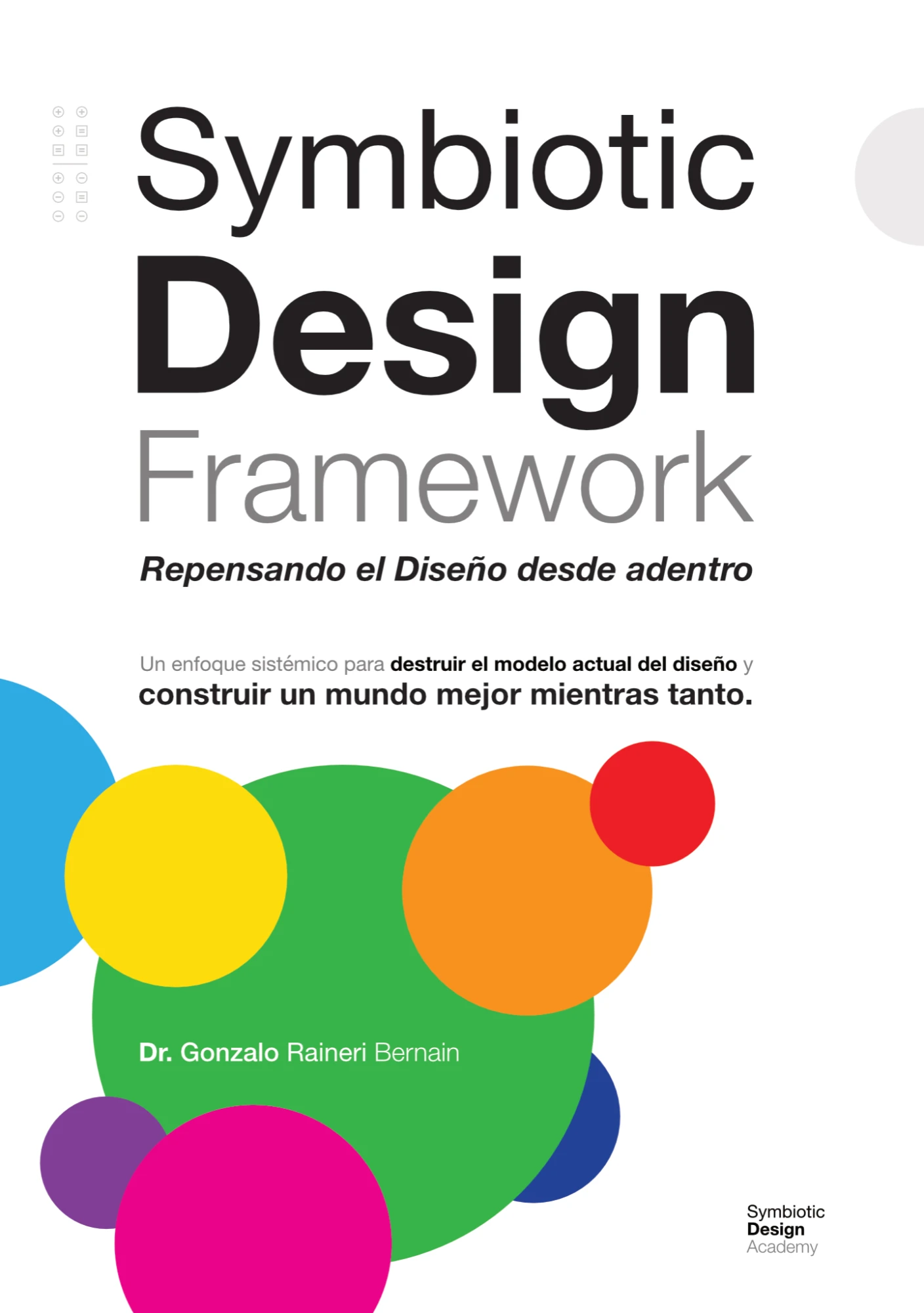
Symbiotic Design Framework
Repensando el Diseño desde adentro
Spanish edition: digital, paperback and hardcover
Presale: 20% off with the code PREVENTA20 until 30 October
Out on 31 October.
From €47
See the editions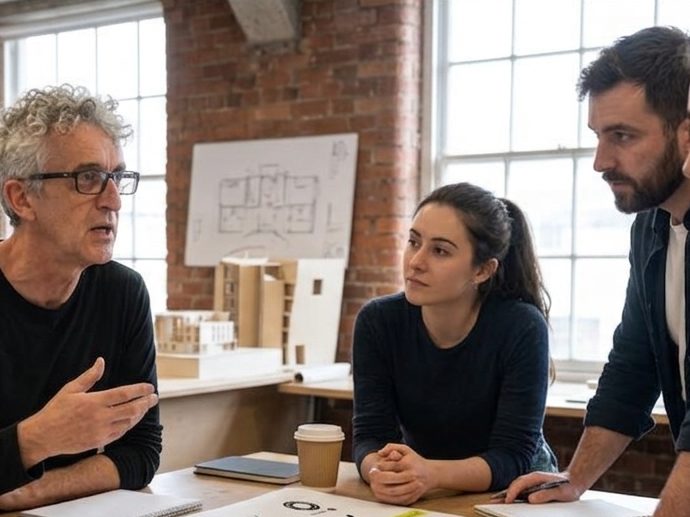
Presale
Introduction to sustainable design across the whole life of what it makes
Presale: 20% off with the code PRESALE20 until 14 January
Opens on 15 January. Bought before that day, it is yours from then on, in My courses.
€275
Add to cartSee the course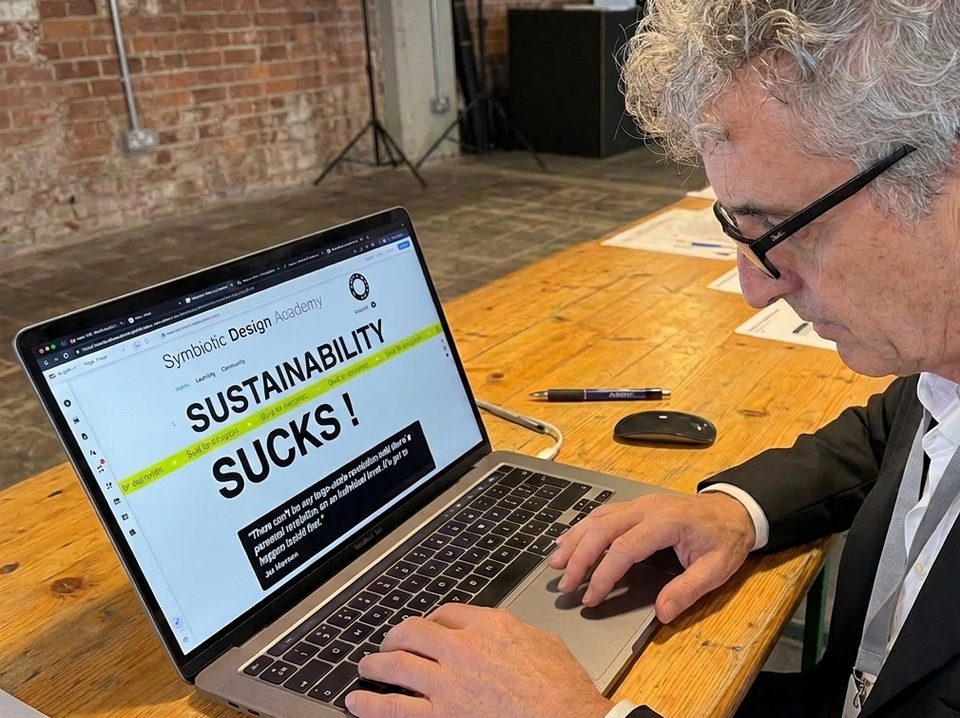
Presale
Symbiotic Sustainable Practices
Introduction to sustainable practice for the professions around design
Presale: 20% off with the code PRESALE20 until 14 January
Opens on 15 January. Bought before that day, it is yours from then on, in My courses.
€275
Add to cartSee the course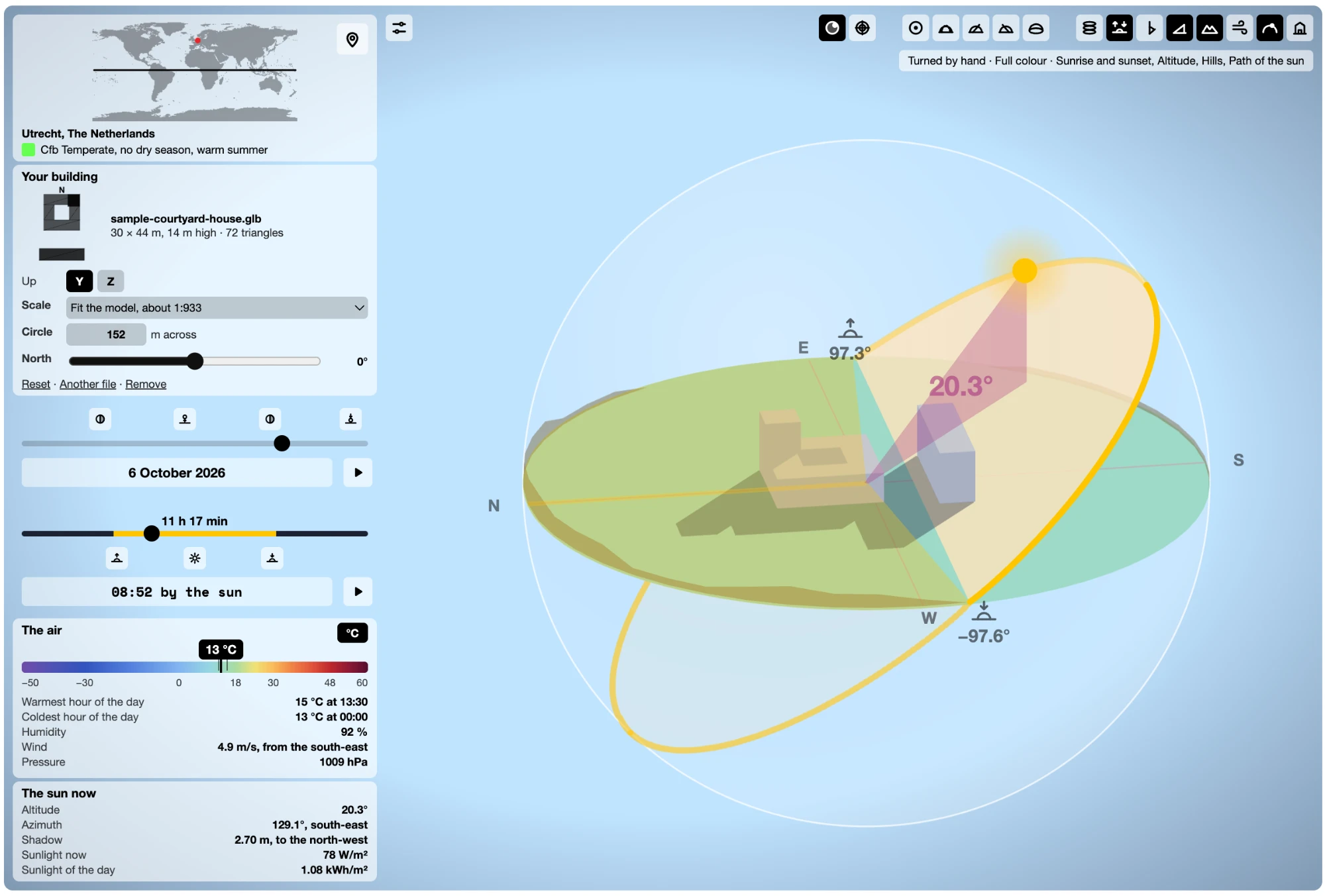
Presale
Symbiotic Bioclimatic Architecture
Introduction to sustainable architecture connected to nature
Presale: 20% off with the code PRESALE20 until 14 January
Opens on 15 January. Bought before that day, it is yours from then on, in My courses.
€275
Add to cartSee the course