
Resources
Share a resourceExamples, recommended readings, methodologies and websites — linked to the framework.
 Recommended Reading
Design for the Real World: Human Ecology and Social Change
Papanek's field-defining polemic — perhaps the most influential book ever written on socially responsible design — indicting design that serves profit over real human need. Foundational to the SDF's Ethics and Social-Responsibility mottos and its conviction that design is political.
 Recommended Reading
Design for Society
Whiteley's early, incisive critique of consumerist design — not anti-design, but against the unsound values baked into design that exists mainly to sell. A foundational argument for the SDF's Sustainability motto: clearing the ground for a more responsible, just practice.
 Recommended Reading
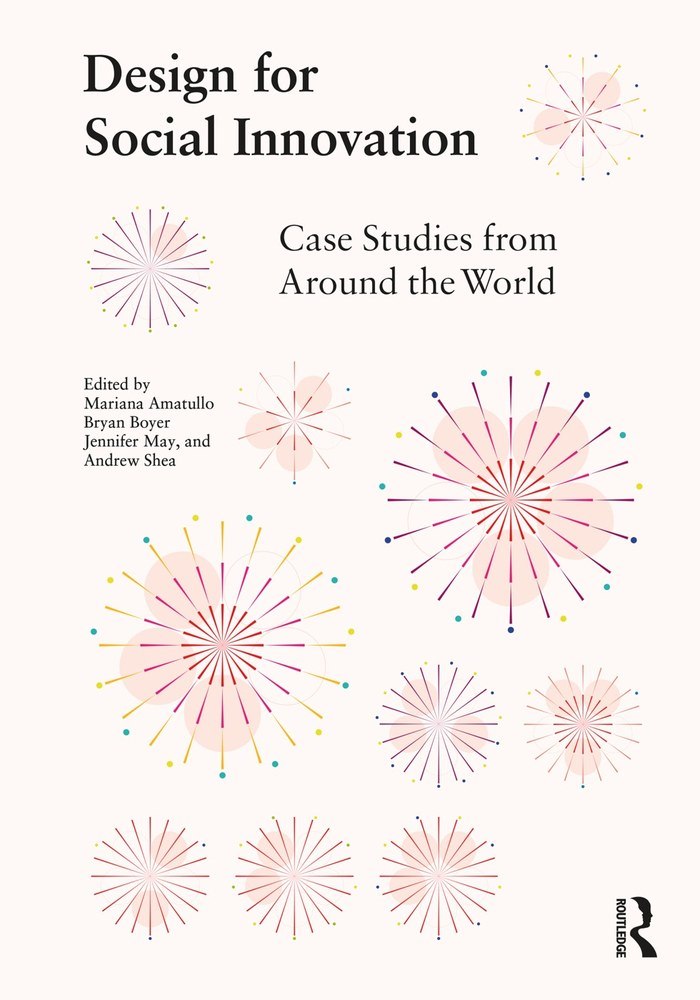
Design for Social Innovation - Case Studies from Around the World
Forty-five illustrated case studies of design driving social change, from UN agencies to national governments across six continents. A global evidence base for the SDF's Social-Responsibility motto, enacted through Partners — the cross-sector coalitions that make social innovation hold.
 Recommended Reading
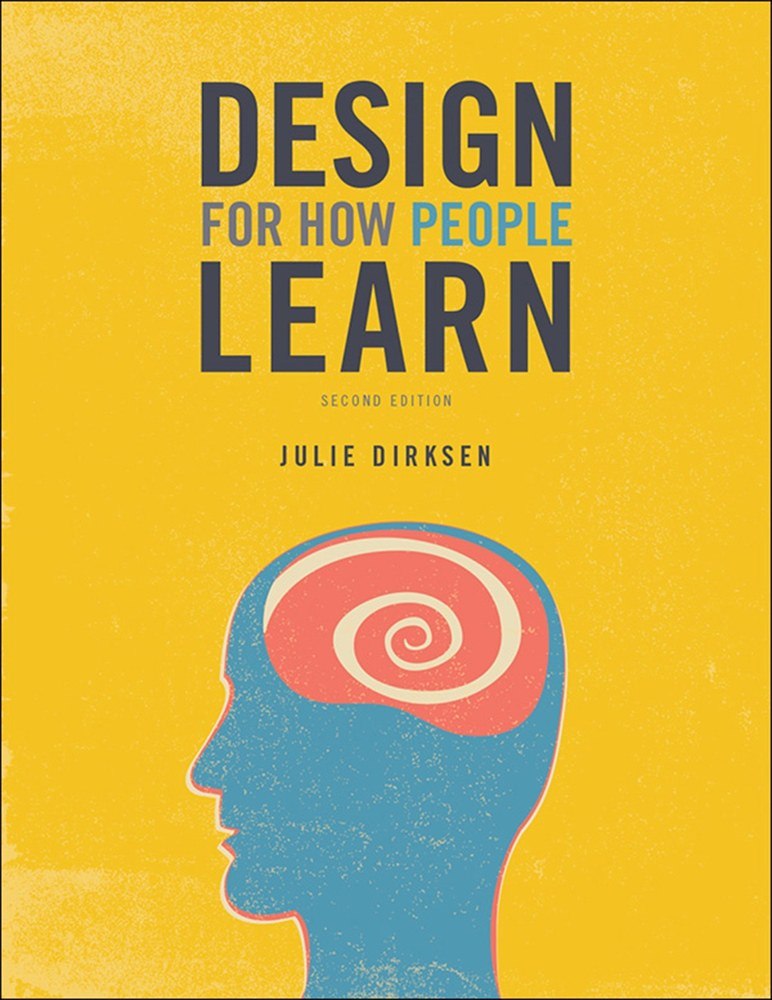
Design for How People Learn
Dirksen turns the science of learning, memory and attention into practical instructional design — how to make materials people actually absorb and keep. It threads the SDF's Humans component (how minds really work) through Procedures, in service of the Social-Responsibility motto: designing so more people can genuinely learn.
 Recommended Reading
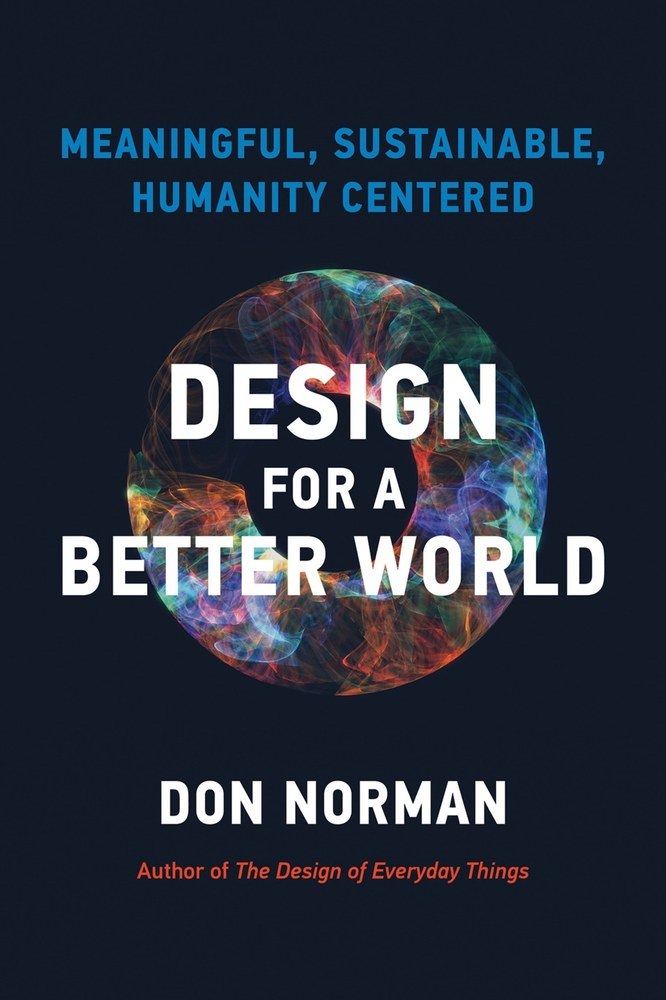
Design for a Better World
Norman's diagnosis of how design helped produce our climate and social crises — and his prescription for reversing it: centre meaning, sustainability and the whole of humanity rather than the single user, and stop treating the planet's resources as infinite. A systems-level read that maps straight onto the SDF — the Humans component widened to everyone, the Sustainability and Economics mottos, and design as one actor inside a complex whole.
 Recommended Reading
Design Education for a Sustainable Future
Fleming argues that real sustainability demands a new kind of designer — collaborative, ethically grounded, empathic and technically able — and rebuilds design education to produce one. It ties the SDF's Sustainability motto to the profession's institutional facet: what we teach shapes who practises at the Frontier.
 Recommended Reading
Design & Development: Leveraging Social and Economic Growth through Design Policies
An award-winning international collection on how design policy can drive social and economic development, with voices from Brazil, Africa, Asia and beyond. It connects the SDF's Economics motto to the institutional facet — design not just as objects, but as national and civic strategy.
 Recommended Reading
Design as an Attitude
Rawsthorn surveys the liveliest edges of contemporary design — social design, craft revival, design's gender politics — as an attitude rather than a profession. A tour of the SDF's Frontier, where the discipline is actively renegotiating what it is.
 Recommended Reading
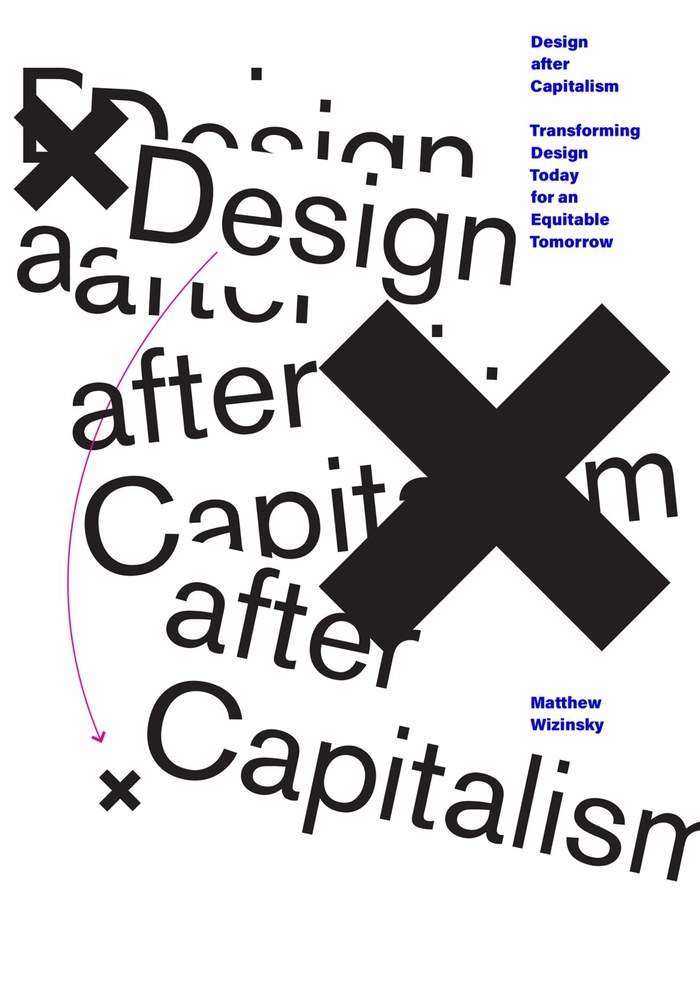
Design after Capitalism
Wizinsky takes the designed world seriously as something that shapes how we live, then argues the industrial-capitalist order that produced modern design has already been transformed — and asks what design becomes after it. It speaks directly to the SDF's reading of the Capitalocene: the economy as a designed, and therefore re-designable, thing.
 Recommended Reading
Design (&) Activism. Perspectives on Design as Activism and Activism as Design
Bieling collects perspectives on the two-way street between design and activism — how each can become the other, for good or ill. It sits at the SDF's Frontier, where design meets the world, and leans on the framework's premise that design is an inescapably political act.
 Recommended Reading
Design Activism: Beautiful Strangeness for a Sustainable World
Fuad-Luke's comprehensive survey of design activism — design mobilised for a sustainable, more just world, with 'beautiful strangeness' as a tactic. It gathers three SDF threads at once: the Sustainability and Social-Responsibility mottos and the framework's view of design as a political act.
 Recommended Reading
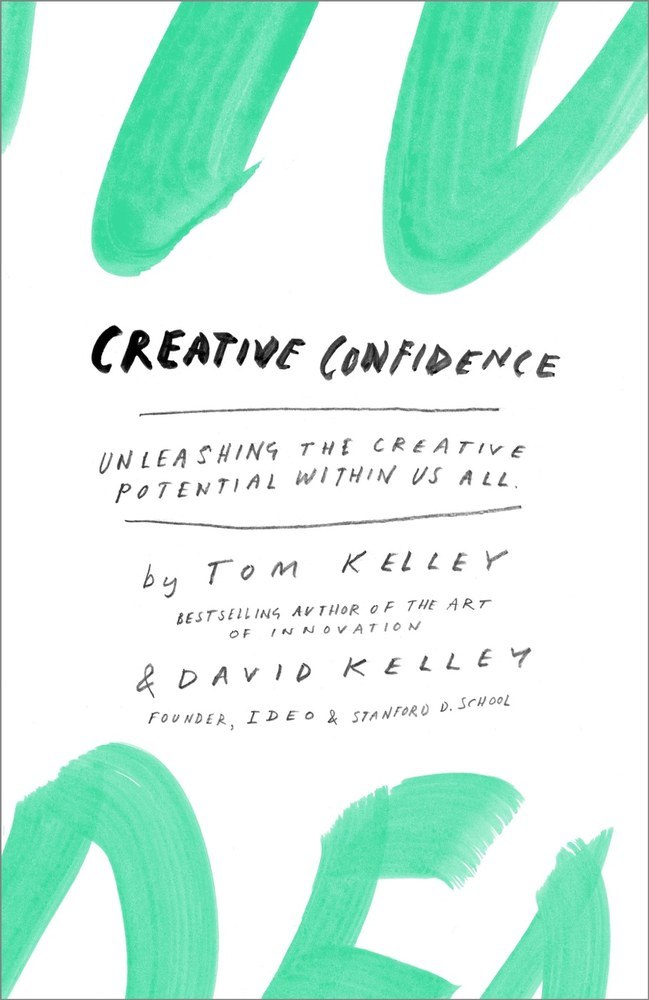
Creative Confidence: Unleashing the Creative Potential Within Us All
The Kelley brothers argue creativity isn't reserved for 'creative types,' drawing on IDEO and the Stanford d.school to show anyone can build the muscle. A confidence-first take on the SDF's Procedures component and the institutional culture that teaches design thinking.